











Device types
Rechargeable Disposable Vapes
Rechargeable Disposable Vapes make high-capacity reservoirs practical by letting users drain every drop of liquid long after a single factory charge runs down. We list rechargeable disposables from 50,000 puffs up to massive 450,000-puff systems. High-capacity tanks require integrated lithium cells and standard charging ports so the hardware lasts as long as the internal juice volume, eliminating dead batteries on filled tanks.
93 products · MOQ 10 units
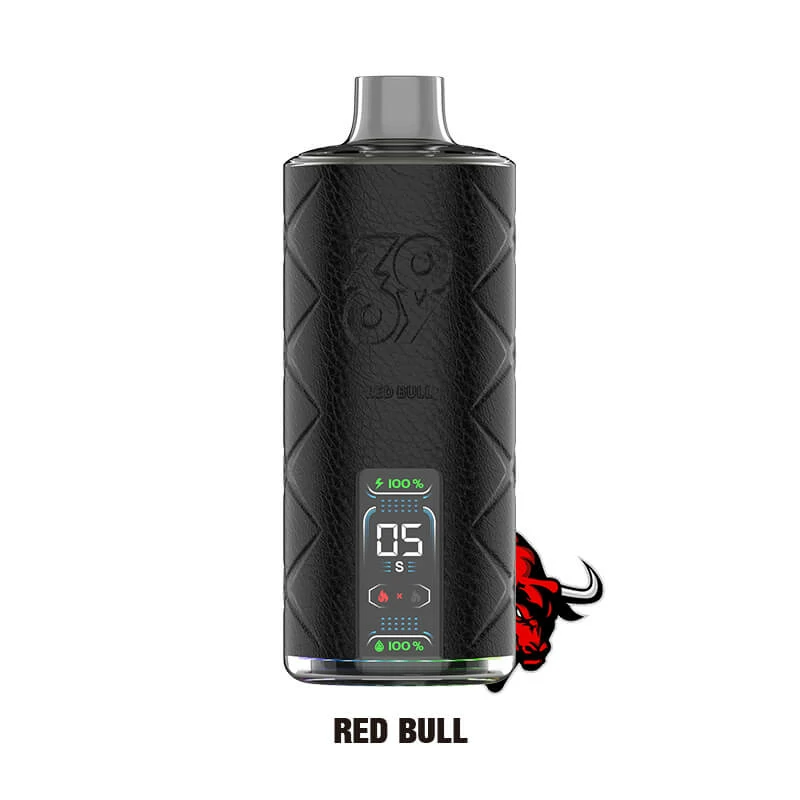
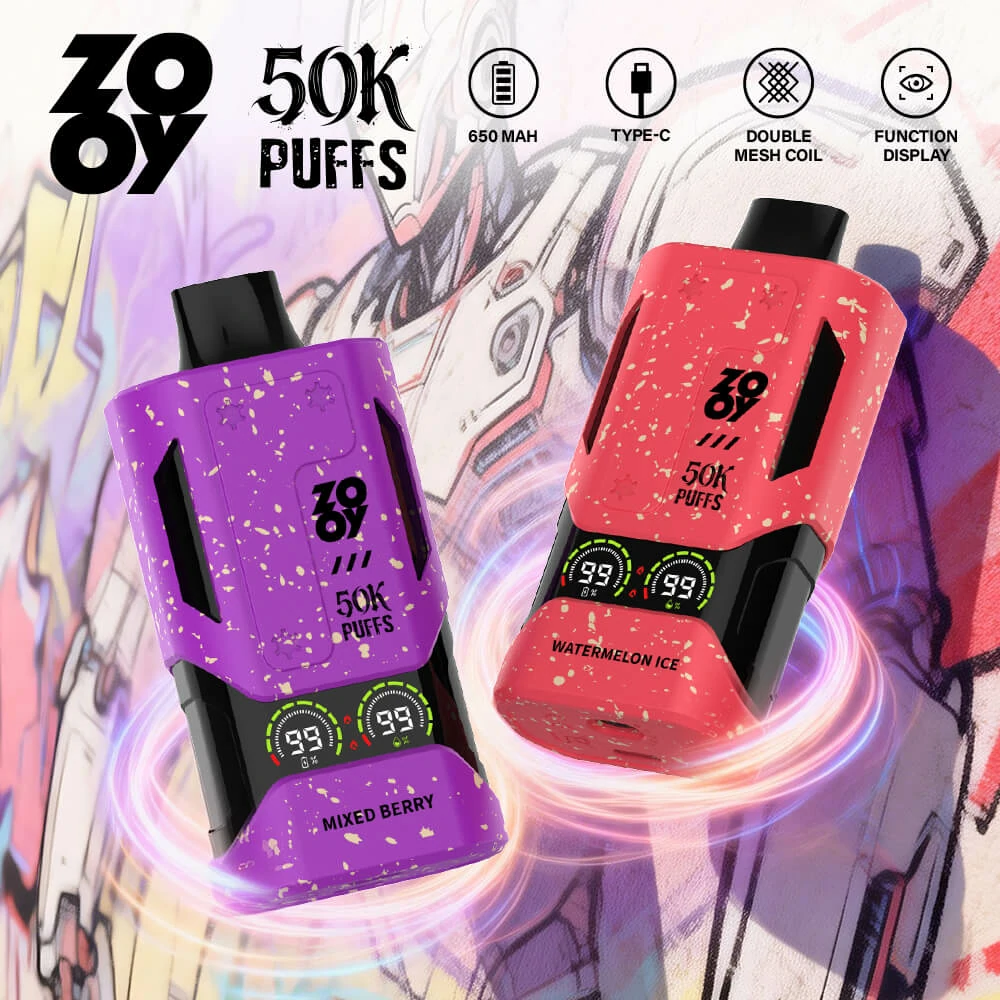
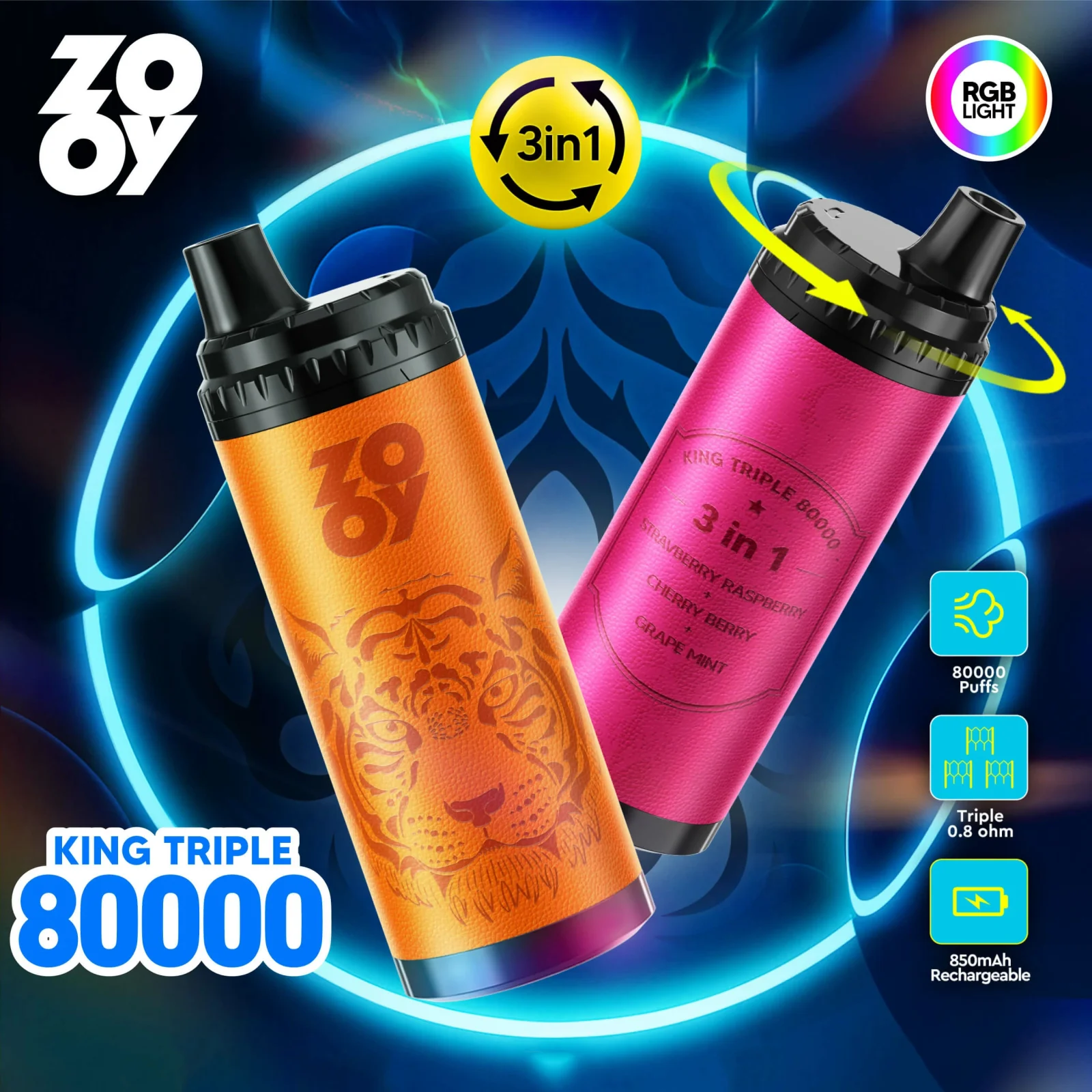
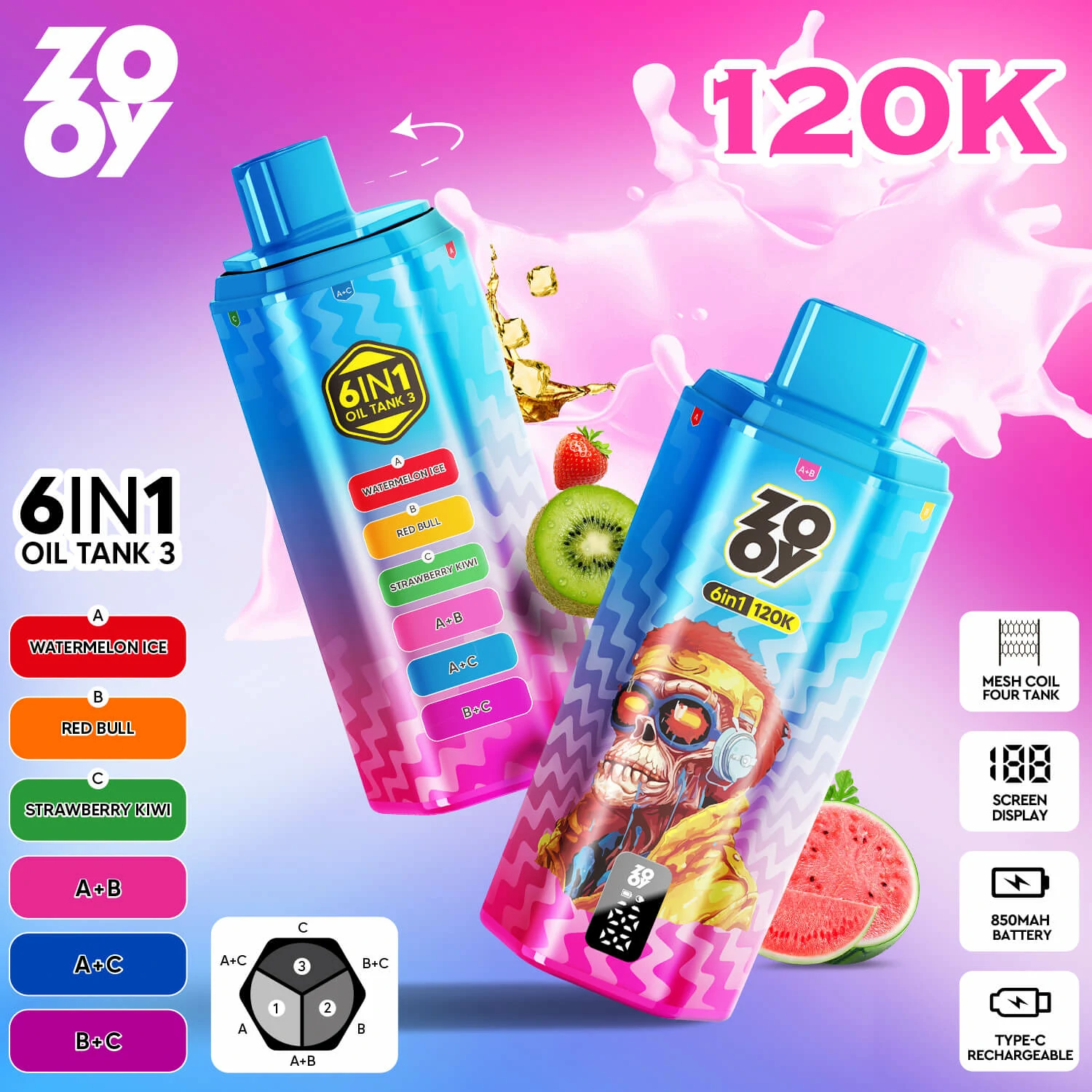
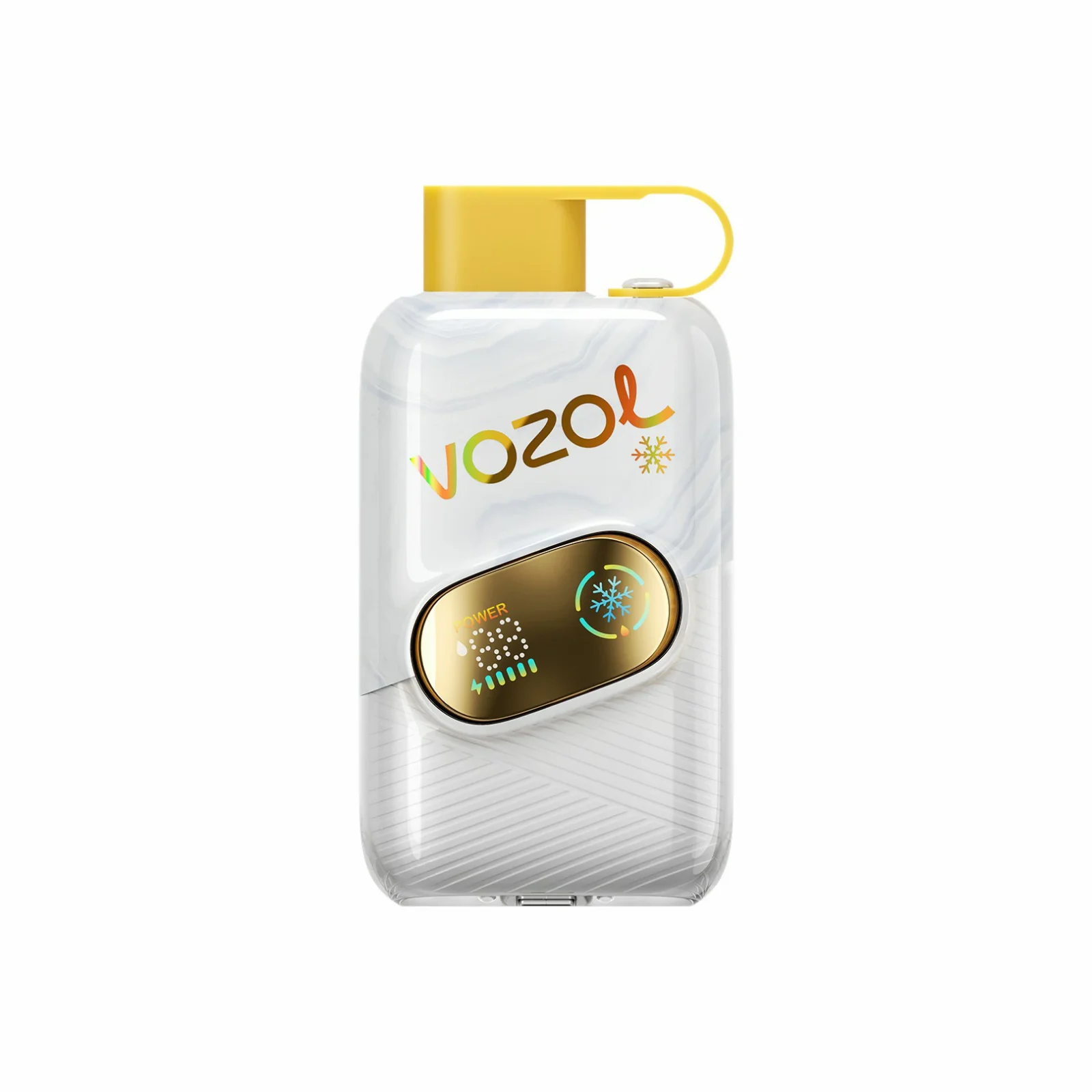
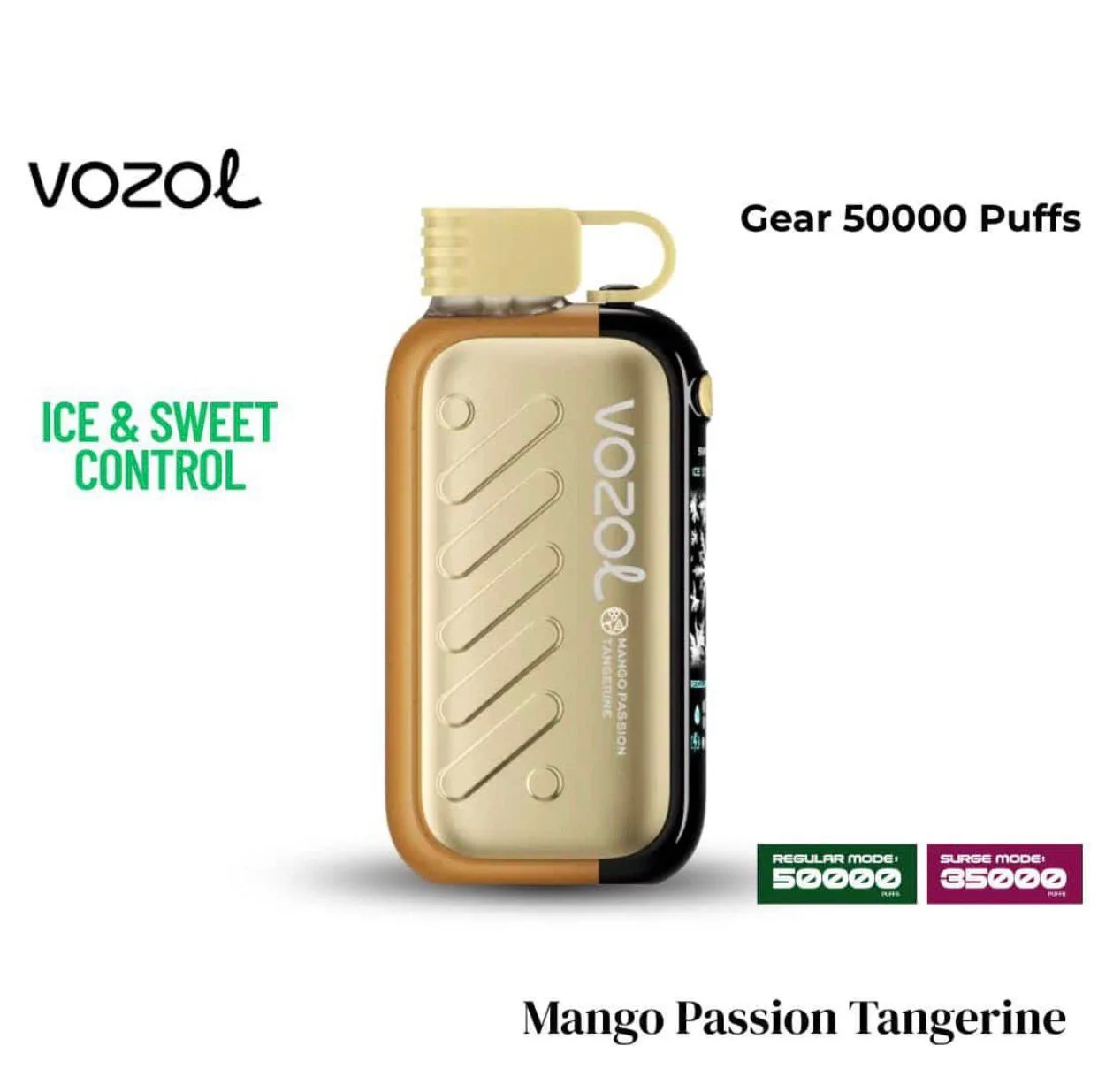
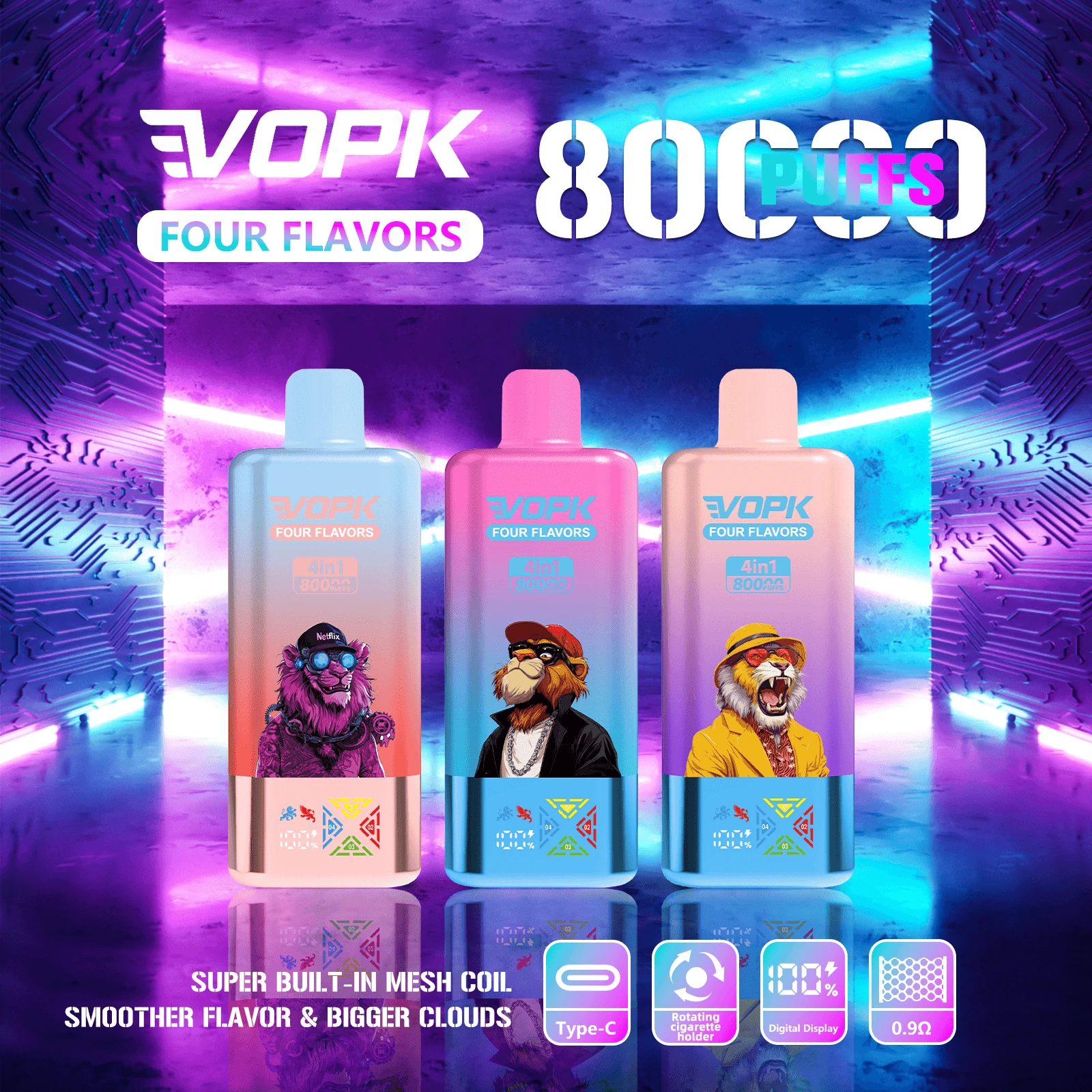
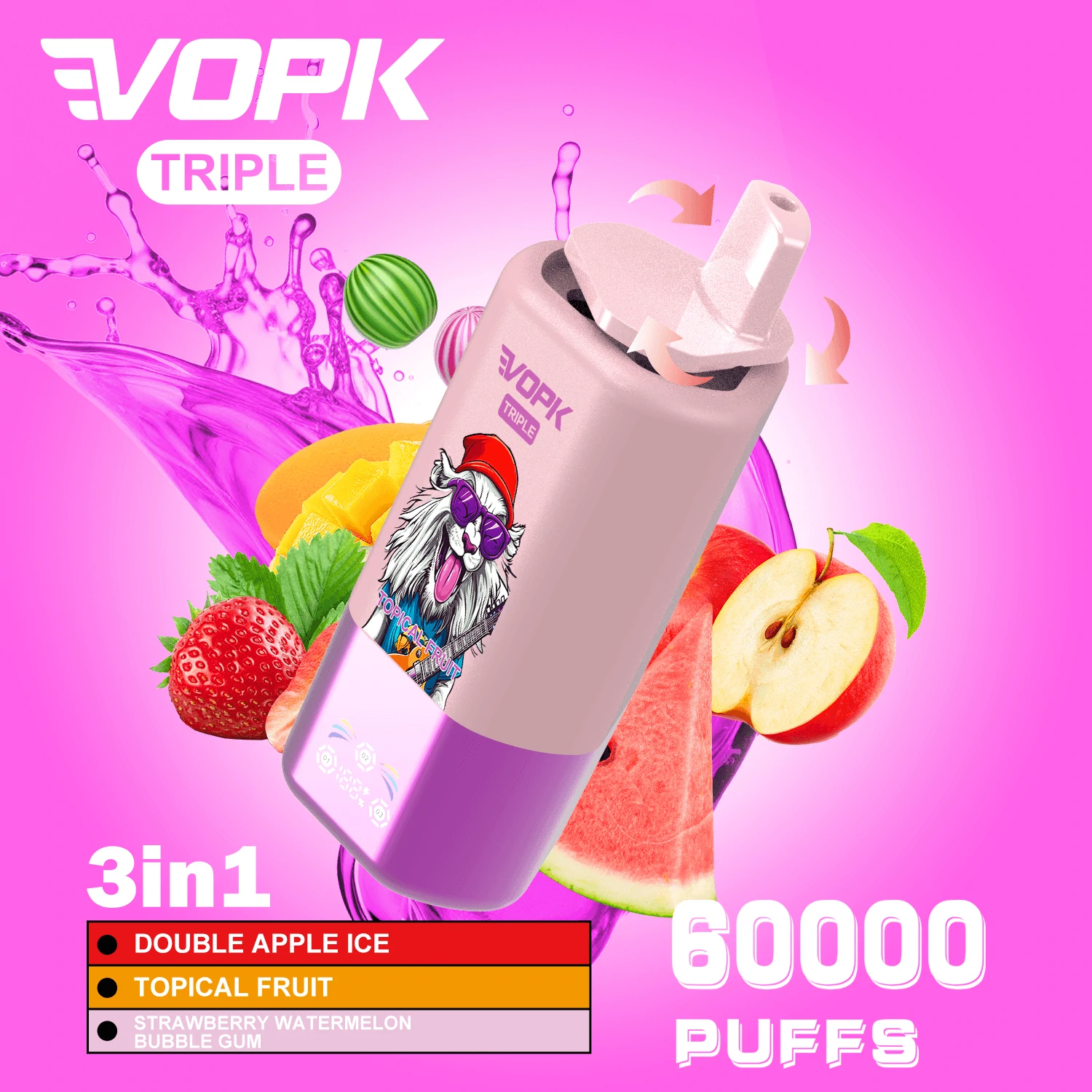
Sustained Voltage for Extended Juice Supplies
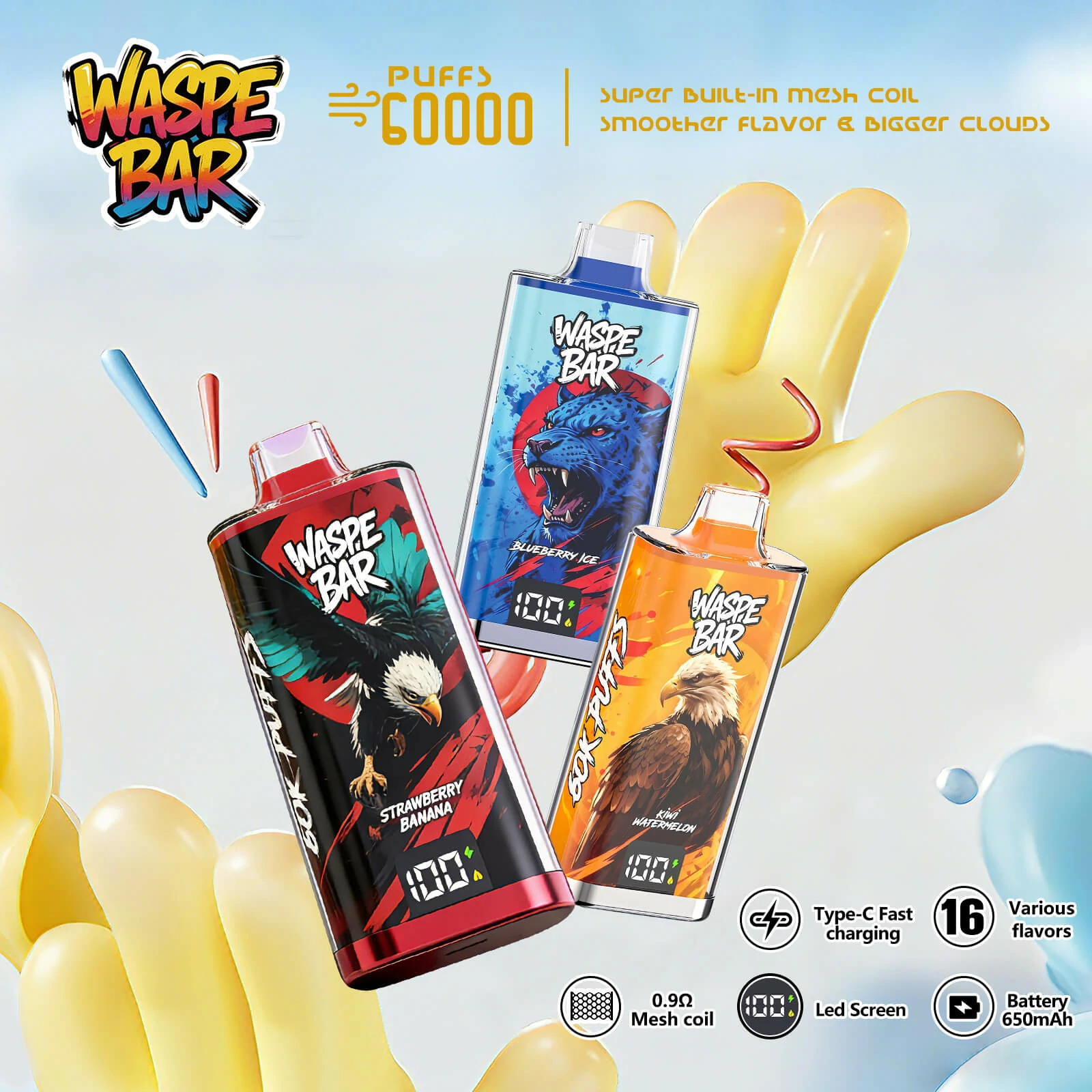
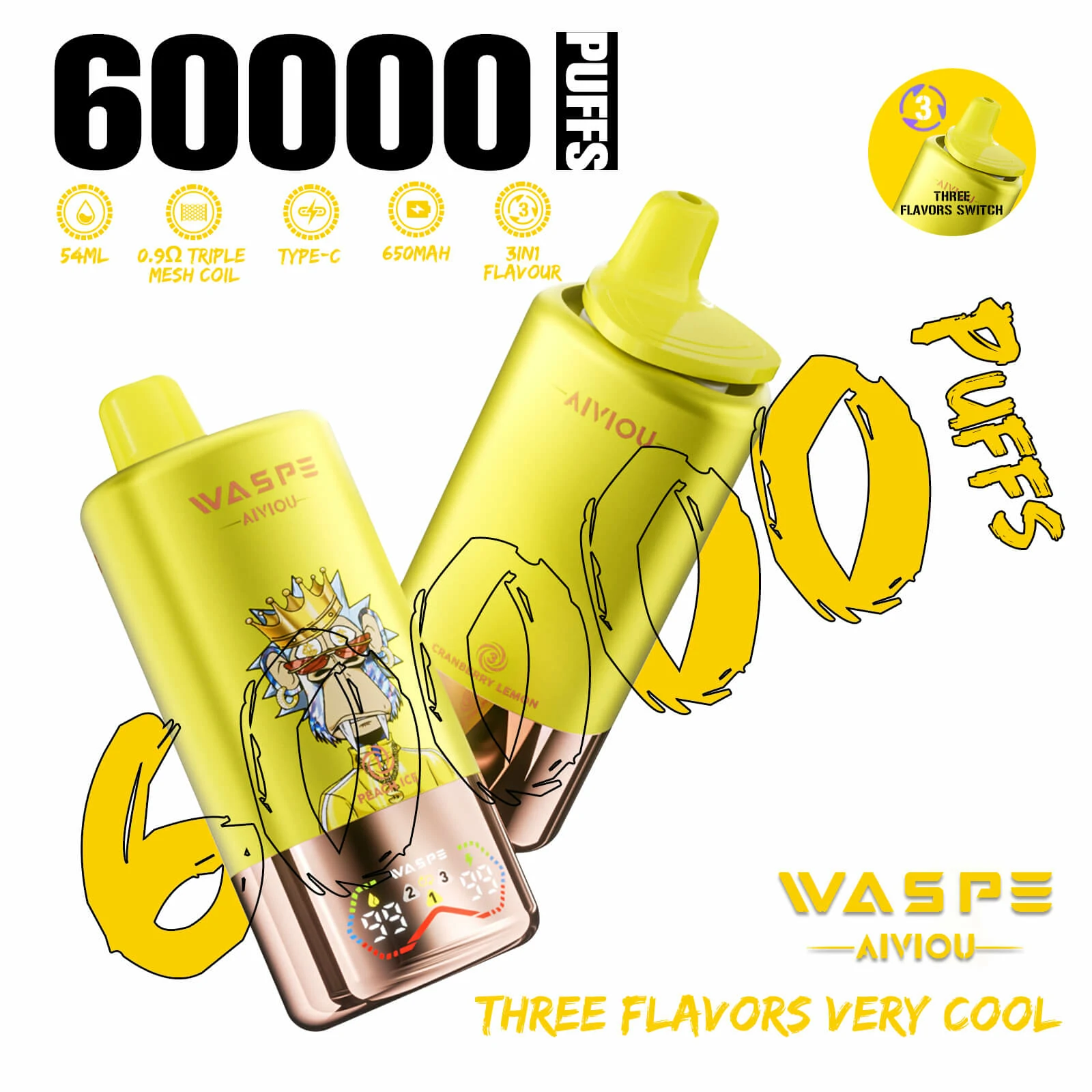
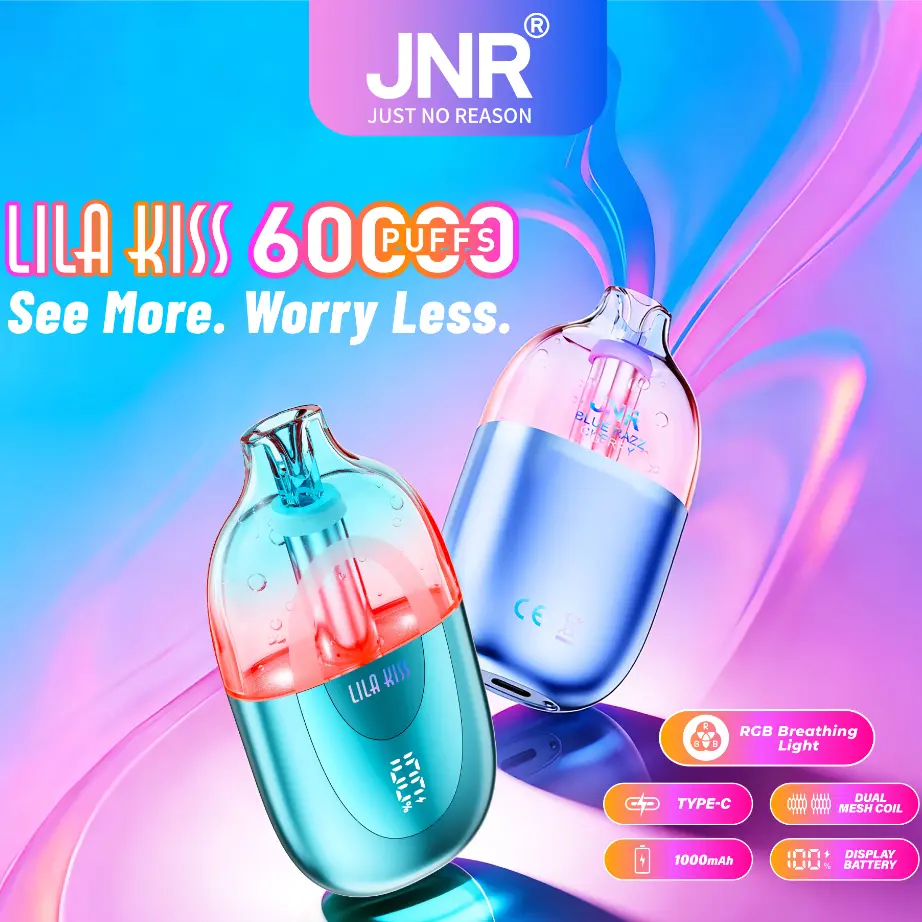
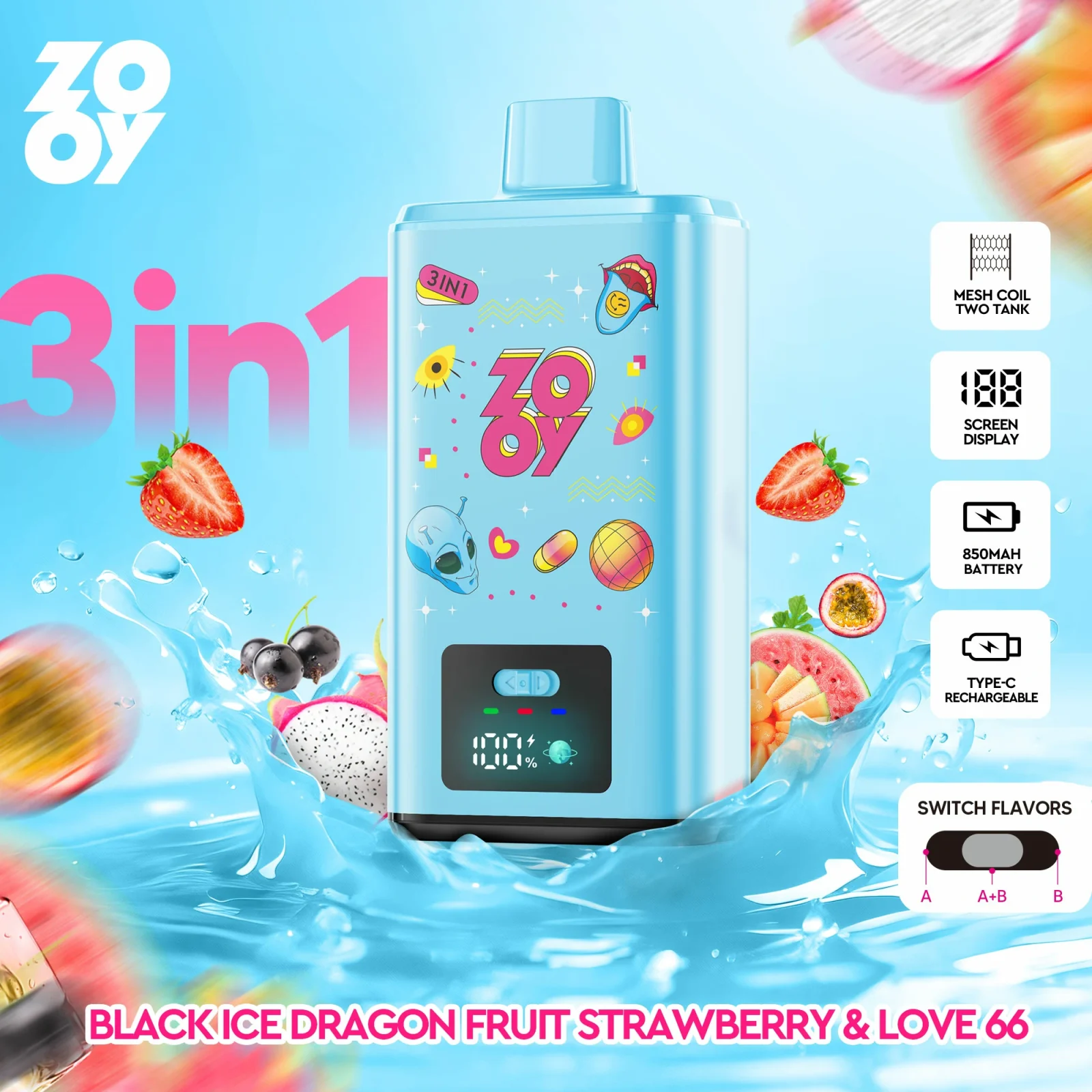
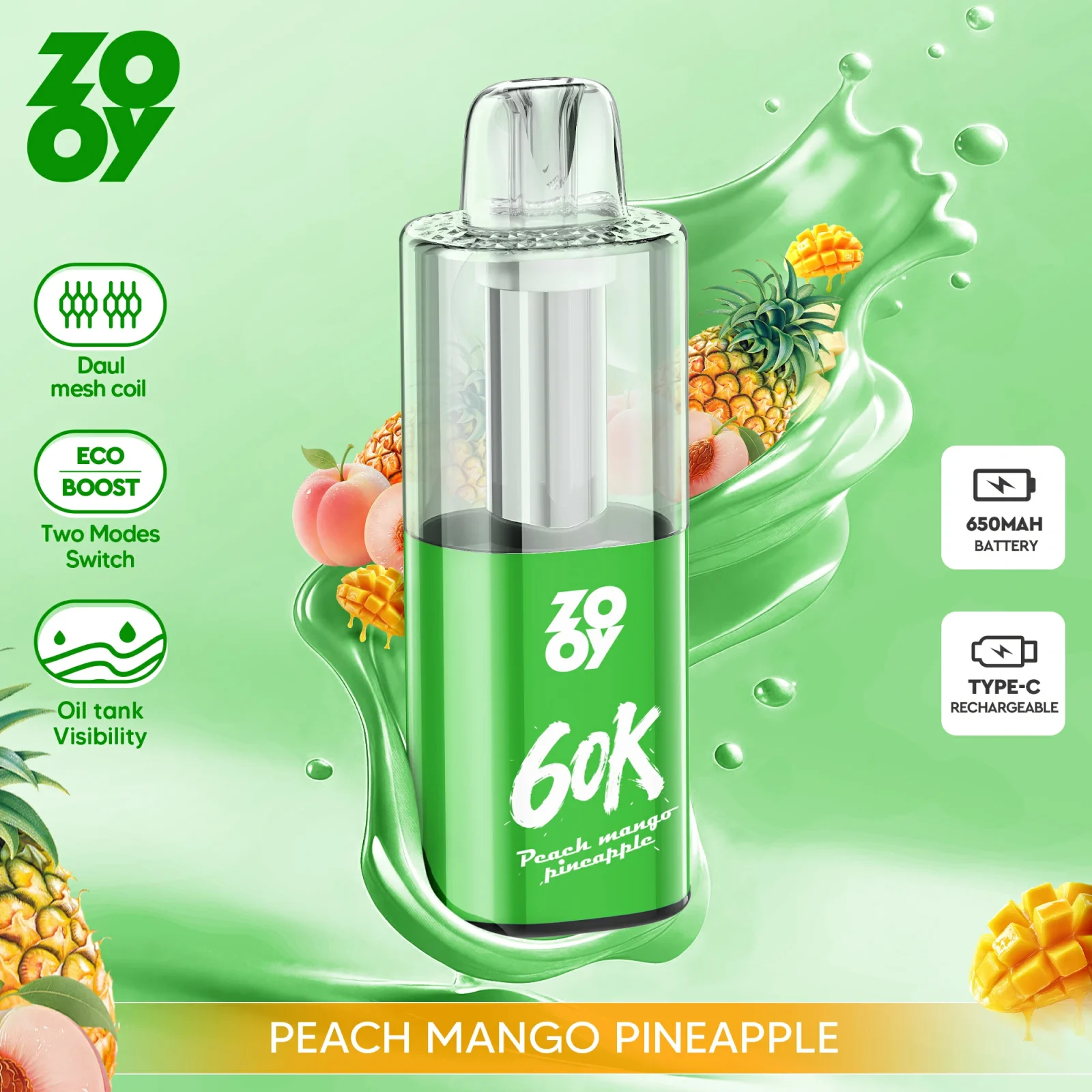
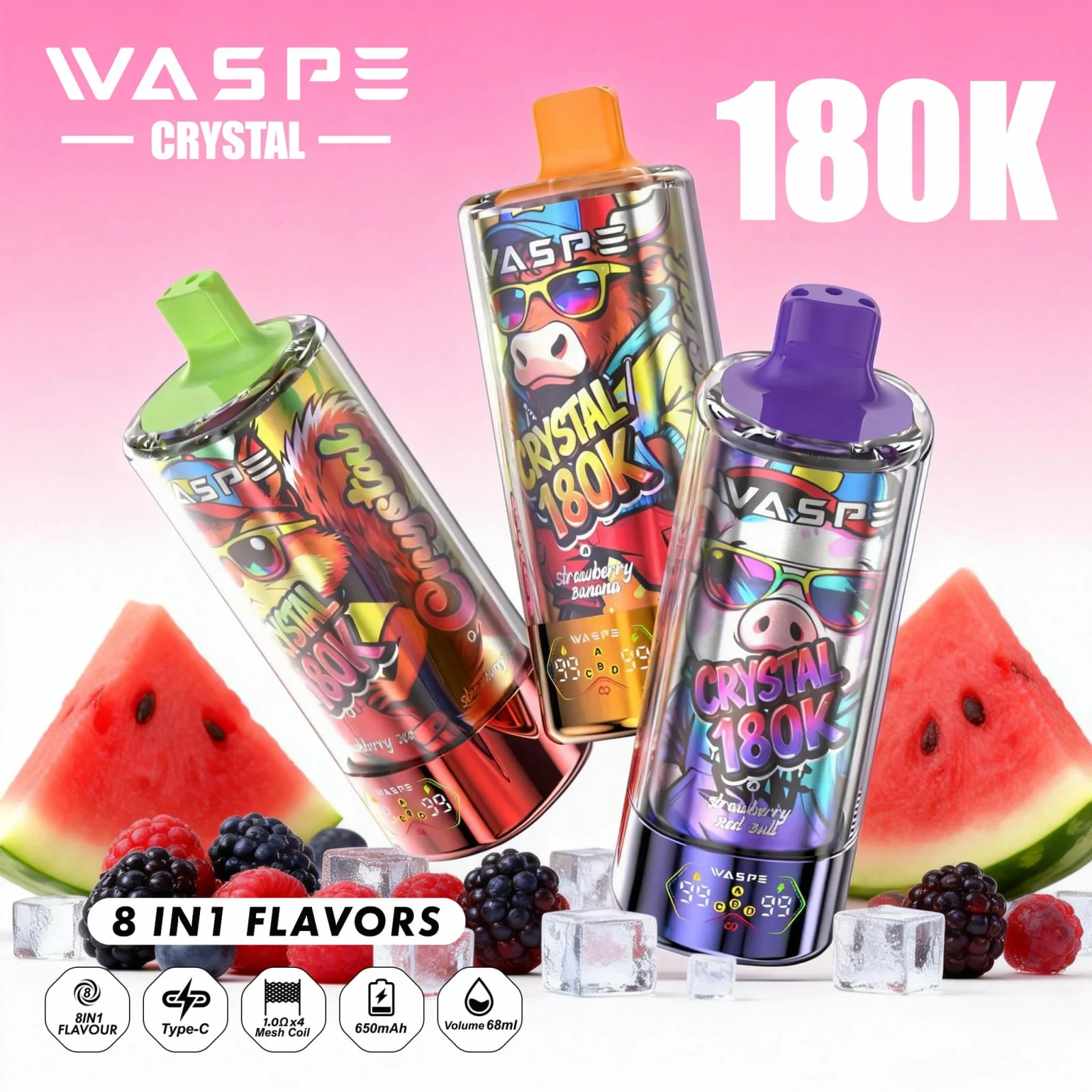
A rechargeable charge port fundamentally alters what disposable hardware can achieve. When liquid capacity expands past 30ml, a factory-charged cell runs out long before the tank is empty. Rechargeable models integrate lithium batteries between 600mAh and 1000mAh with standard Type-C ports so users can replenish power repeatedly until the entire liquid volume is consumed. Features like digital battery indicators and mesh coils ensure consistent vapor output across the entire lifespan.
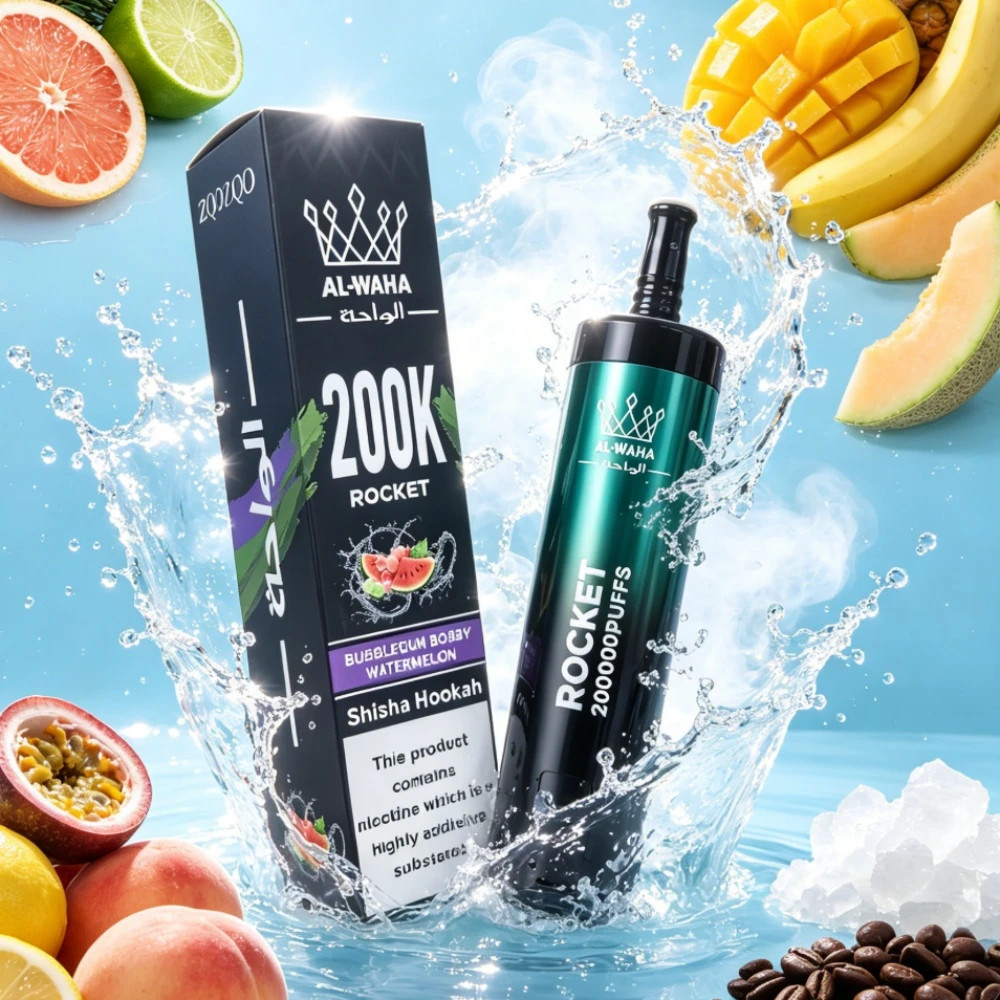
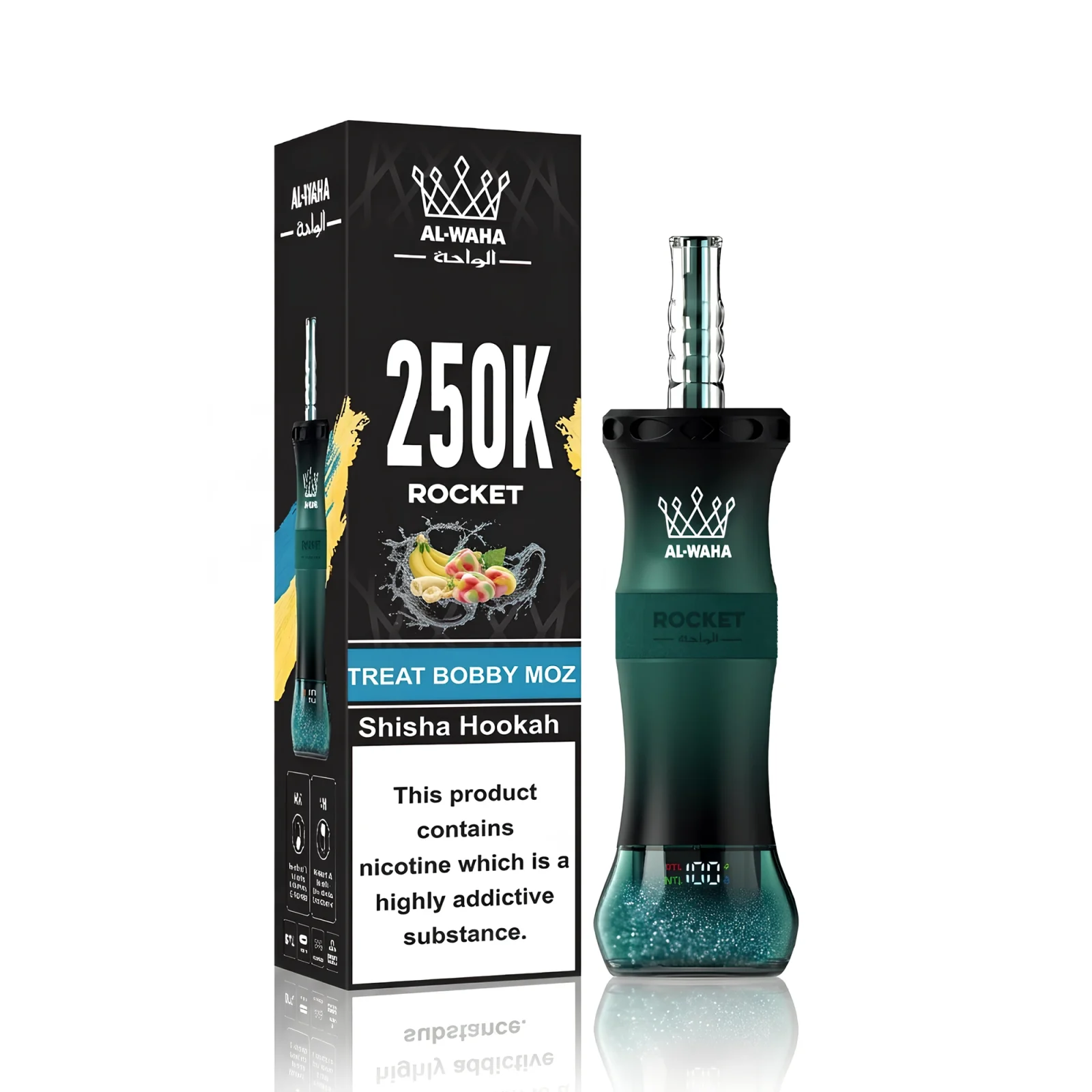
For example, AL WAHA Rocket 250K pairs a 1000mAh battery with a 60ml reservoir for consistent output throughout heavy use. Multi-chamber formats like Bang leader 450K 15 in 1 utilize an 850mAh cobalt battery to support its 42ml liquid volume, while BANG BLAZE 200K combines a 600mAh rechargeable cell with a 1.2-ohm mesh coil structure for reliable vapor delivery.
Single Reservoir vs Multi-Chamber Architecture
High-puff rechargeable hardware splits into two primary structural formats across our inventory:
- Large Single Reservoirs: Devices featuring dedicated 30ml to 60ml tanks designed for straightforward draw without manual adjustments.
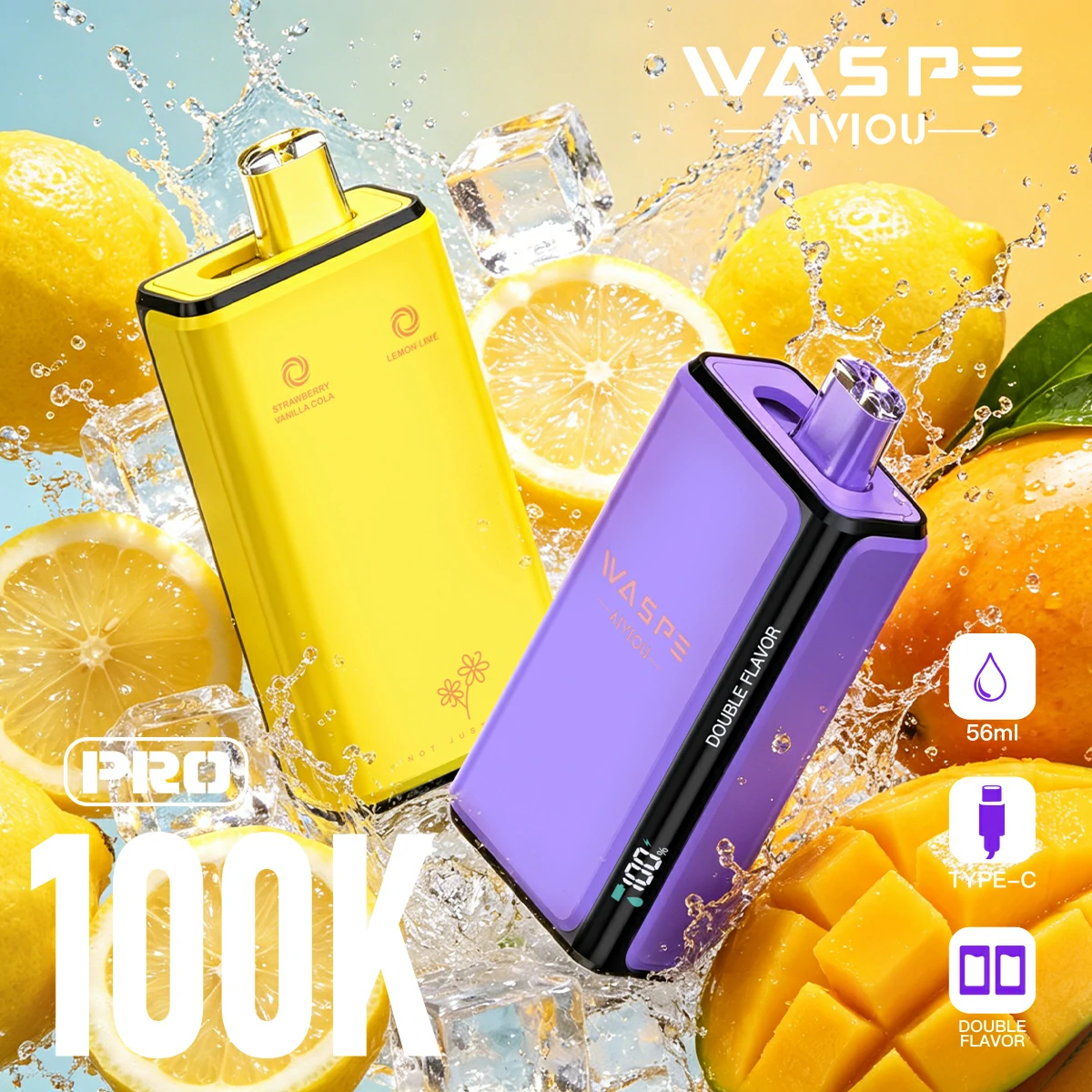
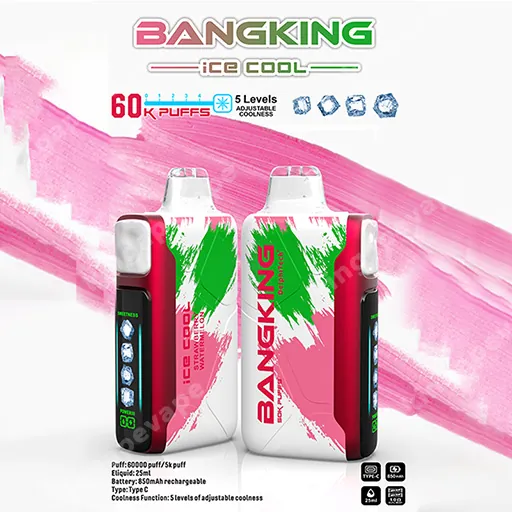
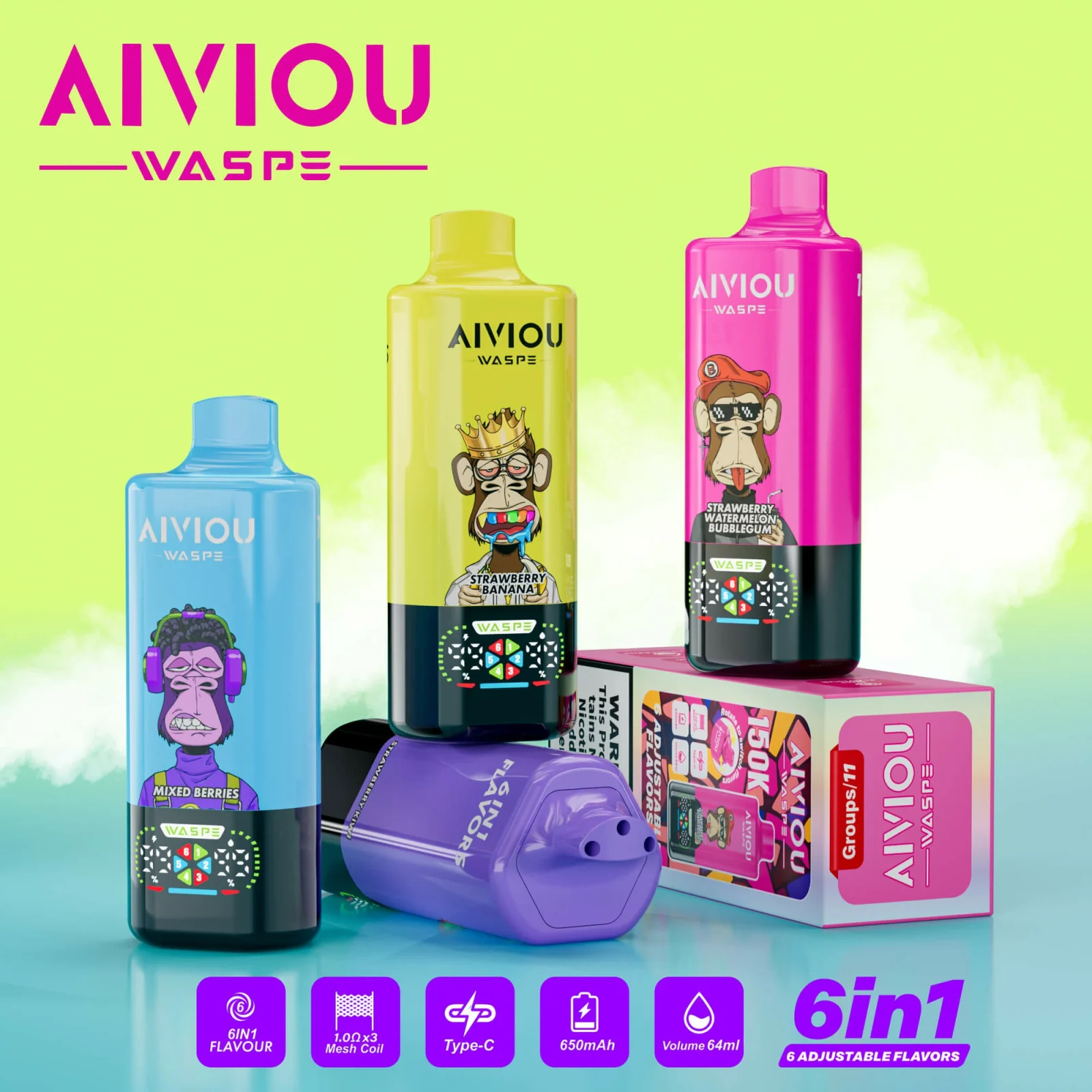
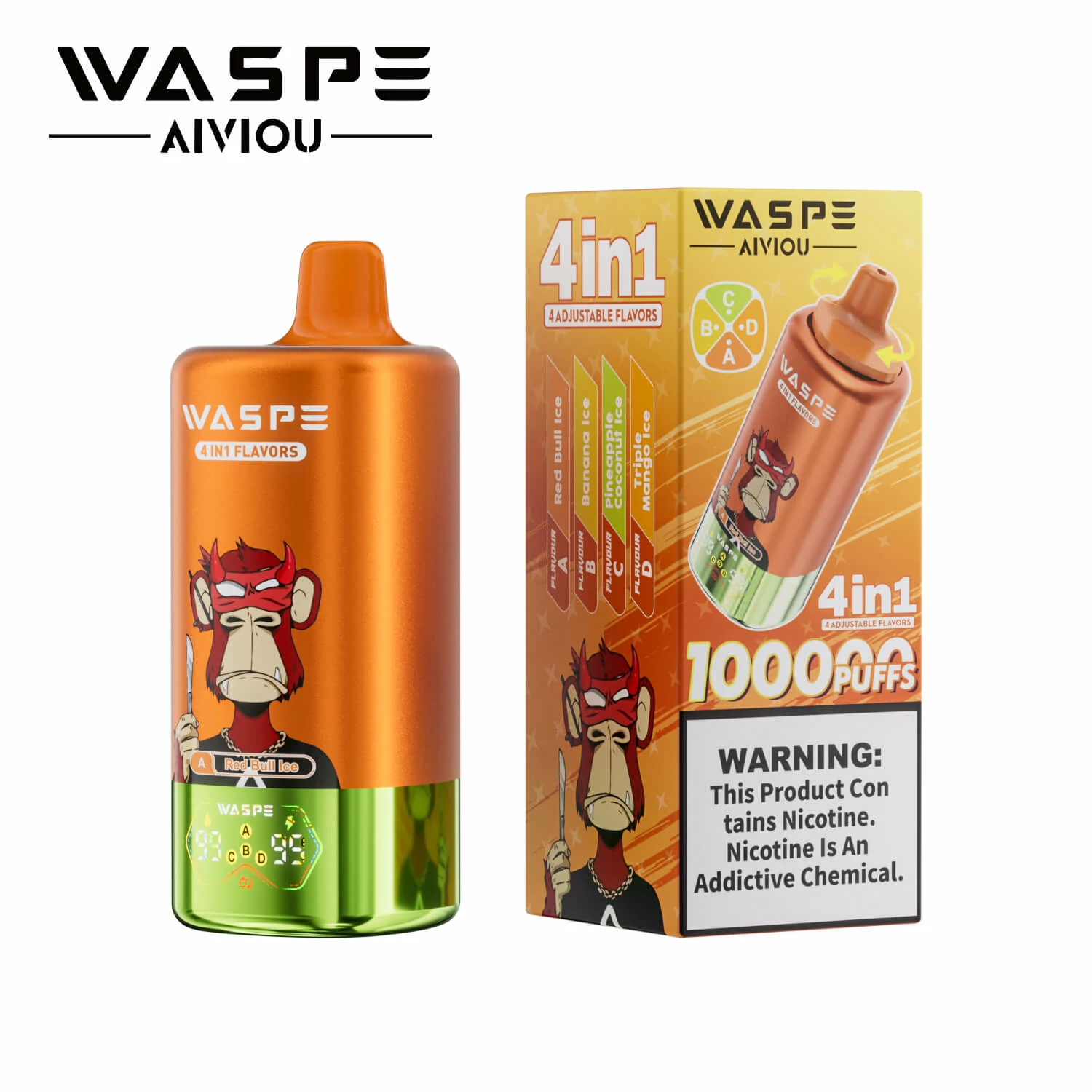
- Multi-Chamber Selectors: Models such as Airmez 300K 12 in 1 and BANG KING Quads 250K 4 in 1 that divide e-liquid into separate internal chambers, allowing buyers to cycle through distinct profiles on one charged chassis.
- Smart Screen Integration: Units equipped with digital displays showing battery percentage and liquid indicators to avoid dry hits.
Deciding between these formats comes down to usage patterns. Multi-chamber systems prevent taste fatigue over massive puff spans, while single-tank hardware offers a simpler internal build with fewer moving mechanical parts.
Rechargeable Systems vs Dual Mesh Devices
While dual mesh devices focus on firing two coils at once to maximize cloud density, rechargeable disposables prioritize power recovery for high-volume reservoirs. Dual mesh models burn through e-liquid faster due to double heating surfaces. By contrast, rechargeable units focus on hardware longevity, ensuring the battery never dies before the multi-week juice supply is exhausted. Customers wanting prolonged utility per unit select rechargeable setups, whereas buyers focused on maximum cloud output prefer dedicated dual mesh builds.
Frequently asked
Why do disposables with over 50,000 puffs require built-in rechargeability?
Large reservoirs containing 30ml to 100ml of e-liquid require far more energy to vaporize than a standard single-use battery holds. Rechargeable ports allow users to re-power the internal cell repeatedly until the total prefilled liquid volume is fully vaporized.
How do rechargeable high-puff models differ from standard 10,000 to 30,000 puff disposables?
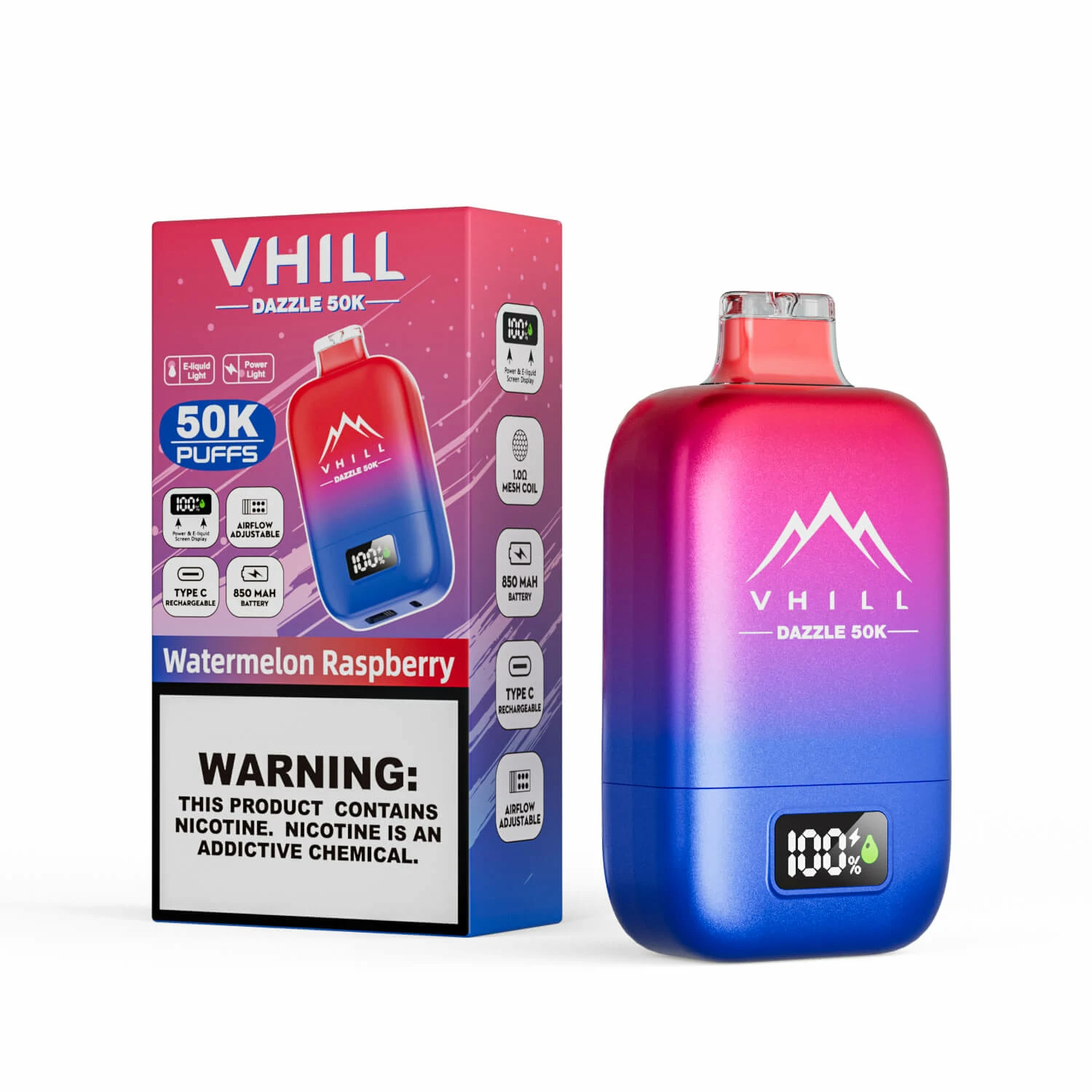
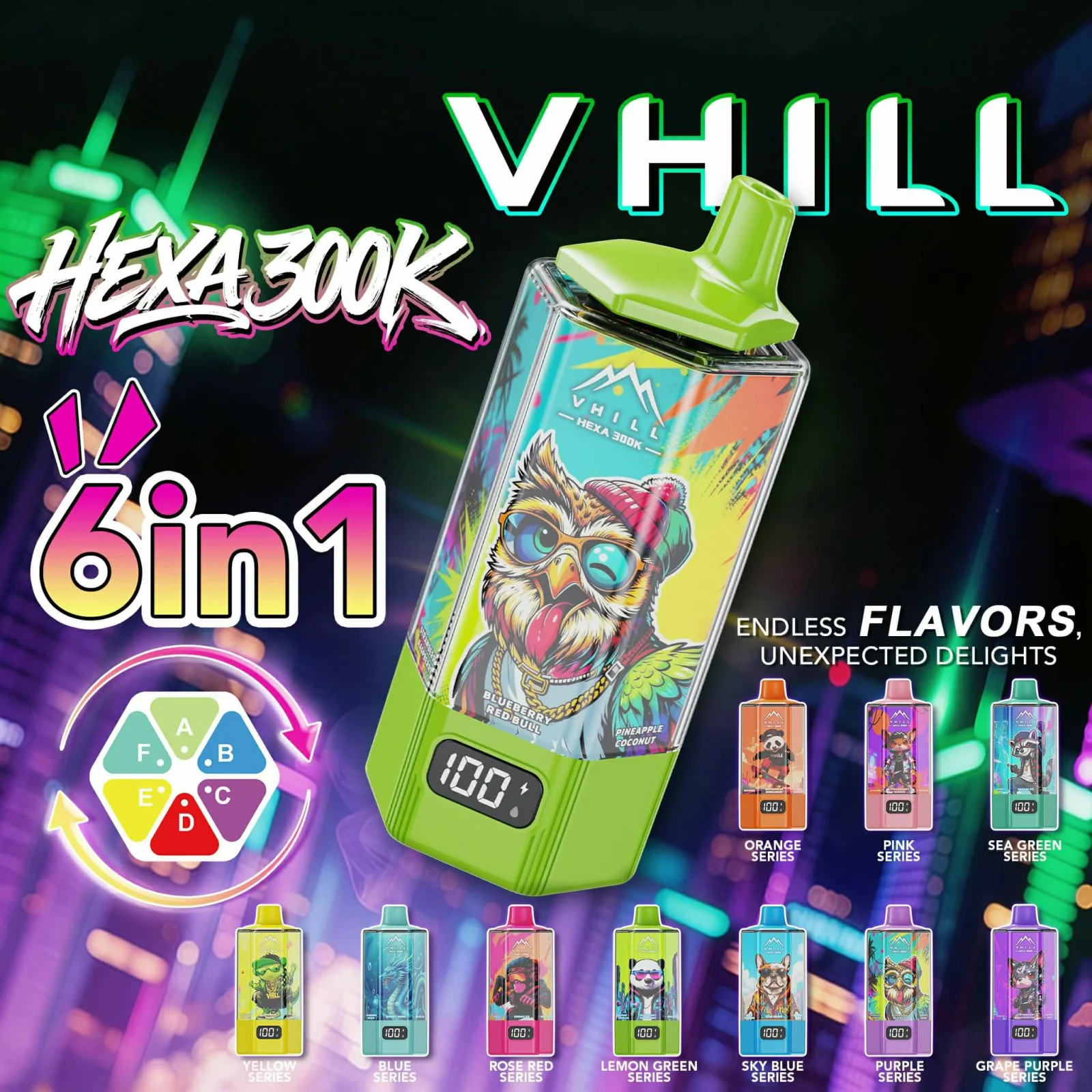
High-puff disposables utilize larger internal reservoirs, stronger lithium batteries like the 850mAh cell in VHILL 300K 6 in 1, and smart screen monitoring. Standard 10K devices run out much faster, while 200K+ rechargeable models sustain usage over weeks.
Which specific models open the highest puff capacity tier?
The highest puff tier features multi-chamber systems like Bang leader 450K 15 in 1 with 42ml of liquid and Airmez 300K 12 in 1. These models combine high-capacity reservoirs with rechargeable cells to deliver extended longevity.
What nicotine strength options are available across rechargeable disposable devices?
Rechargeable models cover multiple nicotine preferences depending on the model, including 0%, 2% (20mg), 3%, and 5% (50mg). Options vary by SKU, allowing stock selection for both zero-nicotine users and high-strength preferences.